

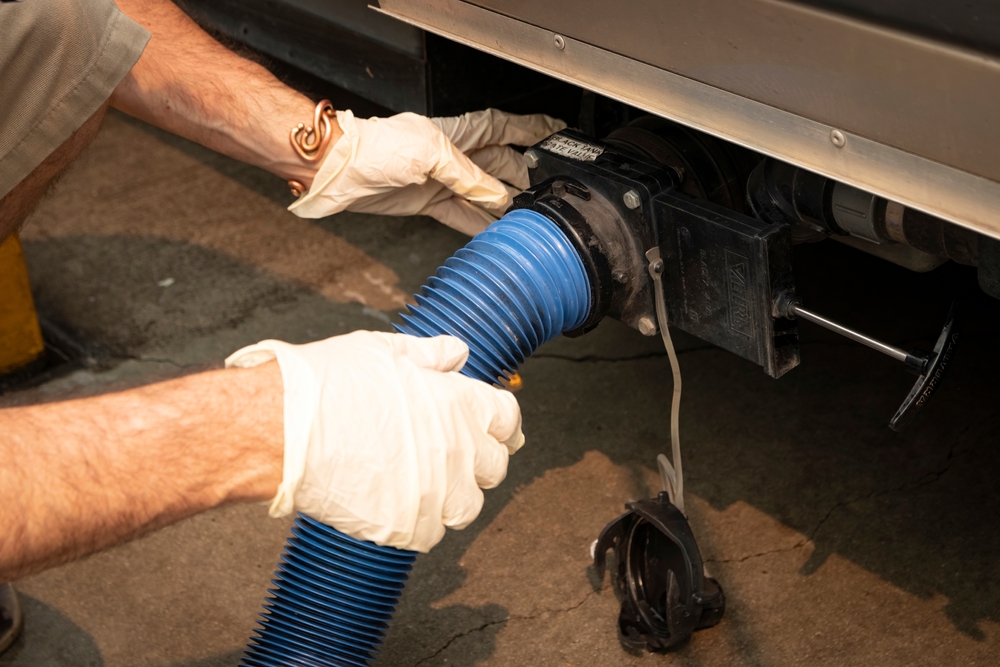
Portable and onboard toilets can become a real operational problem when RV holding tanks or vineyard trailer waste tanks fill up at the wrong time. Around American Canyon, Napa, and the surrounding wine country, timely pumping helps keep recreational vehicles, temporary facilities, vineyard crews, and working properties sanitary without unnecessary disruption.
Quick answer: RV and vineyard trailer toilet pumping removes accumulated wastewater from holding tanks so the unit can remain sanitary and usable. In the Napa Valley area, this service can be especially useful for RVs kept on private property, vineyard support trailers, seasonal agricultural operations, and temporary facilities where connecting to a conventional sewer system is not practical.
What local readers should know
-
RV and trailer toilet tanks should be serviced before they reach capacity, particularly when the unit is being used regularly.
-
Vineyard operations around Napa County may rely on mobile or temporary sanitation facilities during busy periods when crews are working away from permanent restrooms.
-
Warm North Bay conditions can make odors and sanitation problems more noticeable when wastewater remains in a holding tank too long.
-
Access matters because a pumping vehicle needs a practical way to reach the tank or service connection.
-
Scheduling pumping before a tank is completely full can reduce the chance of an overflow or an unusable toilet.
Why Does RV and Vineyard Trailer Toilet Pumping Matter Locally?
RV and vineyard trailer toilet pumping matters locally because Napa Valley combines agricultural properties, rural roads, vineyards, visitor activity, and temporary or mobile facilities in a relatively compact region. Wastewater tanks in these settings need dependable servicing even when a conventional restroom or sewer connection is not nearby.
Properties around American Canyon can look very different from vineyard sites farther north near Napa, Yountville, or St. Helena. An RV may be parked beside a residence or on a larger parcel, while a vineyard sanitation trailer might be positioned closer to active rows, equipment areas, or a temporary work zone.
That makes planning important. Tank capacity, frequency of use, site access, and the location of the service connection can all influence when pumping is needed.
Johnny on the Spot provides local sanitation services, and when you contact us about RV or vineyard trailer toilet pumping, we can use the information you provide about the unit and site to determine the appropriate service approach.
What Do Local Field Conditions Tell Us About Holding Tank Service?
Local field conditions suggest that holding tank service should be based on actual usage, tank capacity, and site conditions rather than an arbitrary calendar schedule. A heavily used vineyard trailer may require attention sooner than an RV that is occupied only occasionally, even when both are located in Napa County.
Wine country properties also create access considerations that are less common in dense urban areas. Long driveways, gates, gravel surfaces, vineyard roads, equipment traffic, and the placement of temporary facilities can affect service access.
Rather than waiting for a sanitation problem to determine the schedule, property owners and operators can monitor use and arrange pumping with enough capacity remaining to avoid an urgent situation.
How Can a Full Waste Tank Affect a Local RV or Vineyard Operation?
A full waste tank can make an RV or vineyard sanitation trailer difficult or impossible to use and may create odor, cleanliness, and wastewater concerns. For a private RV, that is inconvenient. For a working vineyard or agricultural property, it can interfere with access to usable sanitation facilities.
The impact can become more significant during periods of frequent use. Napa Valley agricultural operations may have changing sanitation needs as work activity varies throughout the year.
For vineyards, wineries, rural properties, and other sites around the Napa River corridor and surrounding agricultural areas, planning pumping around actual facility use can help keep temporary sanitation infrastructure functional.
What Are the Warning Signs That a Trailer Toilet Tank Needs Pumping?
A trailer toilet tank needs pumping when it is approaching capacity or begins showing signs that normal waste storage is being compromised. Waiting for an overflow is unnecessary and can turn routine pumping into a more disruptive sanitation issue.
Watch for these signs:
-
A holding tank level indicator shows that the tank is nearly full.
-
Toilet waste is draining more slowly than normal.
-
Persistent odors become noticeable around the toilet or tank.
-
The toilet is used frequently and the tank has not been serviced recently.
-
Waste appears unusually close to the toilet opening or tank inlet.
-
The trailer will soon experience heavier use than usual.
-
You are unsure how much usable capacity remains before an upcoming event or work period.
Tank gauges are useful, but owners and operators should also pay attention to usage patterns and physical warning signs.
When Should You Call a Professional for RV or Vineyard Trailer Pumping?
You should call a professional when a wastewater holding tank is nearing capacity, requires proper removal of its contents, or cannot be safely serviced with the equipment available on site. Professional pumping is also appropriate when recurring sanitation needs make routine scheduled service more practical.
Owners can safely monitor tank indicators, usage, odors, and visible equipment condition. Waste removal itself is different. Wastewater must be handled appropriately, and improvised pumping or dumping can create sanitation and environmental problems.
For properties in American Canyon or elsewhere in the Napa Valley, it also helps to call before the situation becomes urgent, especially if access arrangements need to be discussed.
What Commonly Causes RV and Vineyard Trailer Tanks to Fill Faster?
RV and vineyard trailer tanks fill faster primarily because of increased toilet use, smaller tank capacity, longer intervals between pumping, or changing occupancy. Local agricultural activity can make usage less predictable because the number of people relying on a trailer may change with the work being performed.
Common causes include:
-
Heavy daily use. More users naturally put more wastewater into the holding tank.
-
Seasonal vineyard activity. Changing crew levels can increase demand on temporary sanitation facilities.
-
Small holding tanks. Compact trailers may have less storage capacity than operators expect.
-
Missed service timing. A tank that was adequate during lighter use can fill quickly once activity increases.
-
Unplanned extended use. An RV or trailer that stays occupied longer than expected may need earlier pumping.
Monitoring actual use is more reliable than assuming every tank will follow the same schedule.
How Can Local Property Owners Prevent Holding Tank Problems?
Local property owners can prevent many holding tank problems by monitoring capacity, planning pumping before high-use periods, and keeping the service area accessible. These simple steps are particularly helpful on vineyard and rural properties where reaching a trailer may require passing through gates or using private access roads.
Before a busy period, confirm that the tank has adequate available capacity. Check the unit regularly during heavier use and make sure vehicles, equipment, stored materials, or locked access points will not prevent servicing.
DIY monitoring is sensible. Improvised waste removal or disposal is not. When the tank needs to be emptied, professional pumping is the safer service approach.
What Results Should You Expect From Professional Toilet Tank Pumping?
Professional toilet tank pumping should remove accumulated wastewater from the accessible holding tank so the unit has usable storage capacity again. The exact service requirements depend on the trailer, tank configuration, access point, and condition of the equipment.
Pumping does not correct every possible toilet problem. If a tank remains problematic after it has been emptied, the issue could involve the toilet, plumbing, tank components, sensors, or another part of the system.
Providing details about the RV or vineyard trailer when scheduling can help clarify what service is needed.
What Mistakes Should RV and Vineyard Operators Avoid?
The most important mistakes to avoid are waiting for an overflow, assuming a tank gauge is always exact, and overlooking service access. A better approach is to combine regular observation with pumping based on usage and available tank capacity.
Mistake: Waiting until the toilet can no longer be used.
Consequence: The sanitation facility may become unavailable when people need it.
Better approach: Arrange service while some tank capacity remains.
Mistake: Scheduling based only on a fixed number of days.
Consequence: Changing vineyard crews or RV occupancy can make that schedule inaccurate.
Better approach: Consider both time and actual usage.
Mistake: Forgetting about property access.
Consequence: Gates, parked equipment, or difficult positioning may complicate service.
Better approach: Confirm a practical route to the unit before the scheduled visit.
What Is a Common Napa Valley Trailer Pumping Scenario?
A common Napa Valley scenario is a sanitation trailer placed on an agricultural property for workers who spend much of the day away from permanent restroom facilities. As activity increases, the holding tank fills faster than it did during lighter periods.
The operator notices increased use and schedules pumping before the tank reaches capacity. They also make sure the service route is accessible and provide information about the trailer and tank connection.
This is a representative local scenario, not a specific customer case study.
What Service Solutions Are Available for Holding Tank Waste?
The appropriate service solution is pumping the accessible wastewater holding tank and planning future service around the unit’s actual usage. RVs, vineyard trailers, and other temporary sanitation setups can have different tank arrangements, so service requirements should be confirmed for the specific equipment.
If your property is in American Canyon, Napa, or another community in the surrounding service area, we can discuss the type of unit, location, access conditions, and pumping need before service.
How Does Scheduled Pumping Compare With Waiting for an Emergency?
Scheduled pumping gives property owners more control, while waiting until a tank is completely full can leave the toilet unavailable at an inconvenient time. For frequently used vineyard trailers, planning ahead is generally more practical than using tank capacity as an emergency deadline.
Occasional RV users may simply monitor their tanks and request service as needed. Operations with recurring or predictable usage may benefit from establishing a service rhythm based on how quickly their tanks actually fill.
The right choice depends on tank size, number of users, property access, and how disruptive an unusable toilet would be.
Where Is RV and Vineyard Trailer Pumping Needed Around Napa Valley?
RV and vineyard trailer pumping can be useful throughout American Canyon, Napa, and agricultural communities across the Napa Valley where mobile sanitation equipment or RV holding tanks are used. Similar needs can arise around Yountville, St. Helena, Calistoga, and rural portions of Napa County.
Service availability for a particular property should be confirmed when scheduling.
What Can Happen If You Ignore a Full Holding Tank?
Ignoring a full holding tank can eventually make the toilet unusable and increase the possibility of odor, sanitation problems, or wastewater reaching areas where it should not be. On an active vineyard or other working property, that can also create unnecessary operational disruption.
Addressing the tank before it reaches that point keeps a routine maintenance need from becoming a more urgent problem.
FAQ
How often should an RV toilet tank be pumped in American Canyon?
An RV toilet tank should be pumped according to its tank capacity and actual usage rather than a universal schedule. An RV used regularly in American Canyon will generally need service sooner than one used occasionally. Monitor the tank level and usage pattern, and arrange pumping before the tank reaches full capacity.
Can vineyard restroom trailers be pumped on Napa County properties?
Vineyard restroom trailers may be pumpable on Napa County properties when the waste holding tank and service connection can be safely accessed. Trailer configuration and property access can vary considerably, so provide information about the unit, gate access, road conditions, and tank location when requesting service.
Why does my RV holding tank smell even though it is not full?
An RV holding tank can develop odors before it is completely full because waste is already present in the system. Odor alone does not identify the exact cause. If pumping does not resolve an ongoing problem, the RV’s toilet, venting, plumbing, seals, or other components may need separate evaluation.
Is vineyard trailer pumping useful during busy agricultural periods in Napa Valley?
Yes, vineyard trailer pumping can be especially useful when increased activity causes sanitation facilities to receive heavier use. More users can fill a holding tank faster, so operators should monitor capacity during busy periods and adjust pumping frequency rather than relying on the schedule used during lighter activity.
Should I wait until my RV tank is completely full before requesting pumping?
No, you do not need to wait until an RV tank is completely full. Scheduling before capacity is reached leaves a buffer and reduces the chance that the toilet becomes unusable unexpectedly. This can be particularly helpful when an RV is occupied regularly or located where immediate service may be inconvenient.
What access is needed for trailer toilet pumping in Napa?
The specific access needed depends on the property, pumping equipment, and location of the trailer’s service point. Napa-area vineyard and rural sites may involve gates, private roads, gravel areas, or equipment traffic. Share site and access details when scheduling so the service requirements can be evaluated beforehand.
Can you pump an RV parked on private property in American Canyon?
Whether a particular RV can be serviced on private property depends on the unit’s waste system and whether the pumping connection can be reached appropriately. For an RV in American Canyon, provide the unit type, parking location, tank information if known, and relevant access details when requesting service.
What should a vineyard manager check before scheduling pumping?
A vineyard manager should check the trailer location, estimated tank level, service connection, gate access, and whether equipment or vehicles could block the service area. On Napa Valley agricultural properties, communicating these details in advance can help determine what is required to reach and service the unit.
Keep Your RV or Vineyard Sanitation Facility Ready for Use
Properly timed pumping helps prevent a full holding tank from interfering with an RV stay, vineyard workday, or temporary sanitation setup. We can help local customers evaluate their pumping needs based on the unit, usage, and site access.