

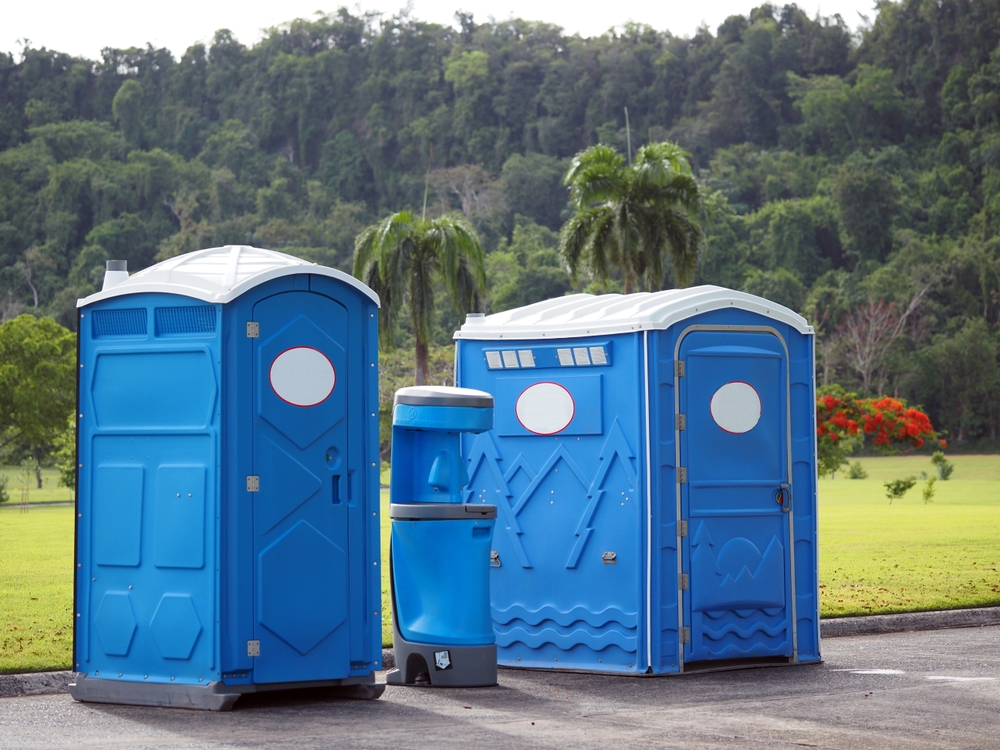
Hosting a successful outdoor event or managing a busy construction site in California requires a clear understanding of state and federal regulations. One of the most overlooked but essential aspects of compliance involves providing sanitary restroom facilities. Whether you’re planning a festival or overseeing a building project, understanding portable toilet regulations in California is crucial. These rules ensure not only compliance with the law but also public health, safety, and dignity. This guide will walk you through what you need to know, with a focus on OSHA portable restroom requirements and ADA portable restroom rules.
California’s Portable Toilet Regulations
California has comprehensive regulations governing the use and availability of portable toilets. These regulations are enforced by multiple agencies, including the California Department of Public Health (CDPH), local municipalities, and the Occupational Safety and Health Administration (OSHA) at both federal and state levels.
For event organizers, temporary public gatherings of any size must account for restrooms that match the expected attendance. Local city or county health departments typically issue permits and dictate the number of units required based on crowd size and duration of the event. These agencies may also conduct inspections before, during, or after the event.
Contractors on construction sites in California must also follow strict requirements. Title 8 of the California Code of Regulations outlines mandatory sanitation facilities for worksites. These include specific ratios of toilets to workers and mandates on the frequency of cleaning and maintenance. Portable toilets are not just a convenience, they are a legal obligation that reflects the broader commitment to health and safety.
OSHA Portable Restroom Requirements on Construction Sites
For construction professionals, OSHA portable restroom requirements are vital to understand. The federal Occupational Safety and Health Administration sets minimum standards that California generally mirrors or strengthens. According to OSHA, employers must provide access to sanitary restrooms in the workplace. The number of required facilities is based on the size of the workforce and must be located in such a way that workers can reach them quickly and safely.
Specifically, OSHA mandates that sites with 20 or fewer workers must have at least one toilet. If a site has between 20 and 200 workers, one toilet seat and one urinal are required for every 40 workers. For sites with more than 200 workers, this ratio changes to one seat and one urinal per 50 workers. These restrooms must be maintained in a clean and sanitary condition and should offer privacy and handwashing facilities.
California often adopts more stringent provisions. Cal/OSHA, the state’s version of the federal body, emphasizes frequent cleaning schedules and proper waste disposal. Toilets should be serviced regularly and be in good working condition. For mobile or remote job sites, employers must provide transportable options that can be reached with minimal interruption to work.
ADA Portable Restroom Rules for Accessibility
Equal access to restroom facilities is not just a courtesy, it is a legal requirement under the Americans with Disabilities Act (ADA). ADA portable restroom rules mandate that a certain percentage of restrooms at any public event or workplace must be accessible to individuals with disabilities.
ADA-compliant portable toilets are larger than standard units and are equipped with ramps, grab bars, and enough space to allow wheelchair maneuverability. For most events and public gatherings in California, at least 5 percent of the portable toilets must meet ADA accessibility standards. However, if only one unit is provided, it must be ADA-compliant.
Failure to provide accessible restrooms can result in legal consequences and damage to an organization’s public image. For event planners, offering ADA units is also a sign of respect and inclusivity, helping to ensure all guests can participate fully in the experience. For employers, accessible restrooms ensure that all workers can function with dignity and without undue hardship.
Event Planning and Compliance: Meeting Local Requirements
In California, cities and counties often have their own sets of regulations when it comes to portable toilets at events. Permits from local authorities will typically outline the number of required restrooms, placement strategies, and even fencing or security needs for larger gatherings. For example, a multi-day festival in Los Angeles might require significantly more restroom units than a one-day farmers market in a smaller town.
While OSHA and ADA set federal and state-wide baselines, local health departments can impose stricter standards. For example, they may require that units be spaced in a particular pattern, have handwashing stations nearby, or be monitored for cleanliness throughout the event. Organizers must also plan for waste disposal and must hire licensed sanitation vendors who follow proper cleaning protocols.
The importance of signage cannot be overlooked. Clearly marked ADA-compliant units, directional signs, and adequate lighting help attendees find and use restrooms comfortably and safely. Additionally, having restrooms located in high-traffic areas while still providing privacy is a key logistical balance that professional event planners must strike.
Best Practices for Compliance and Sanitation
Meeting legal requirements is the first step, but going beyond compliance can improve experiences for both guests and workers. Portable toilet regulations in California encourage a proactive approach that prioritizes user comfort, hygiene, and safety.
Frequent servicing is one of the most important practices. At busy events or crowded construction sites, restrooms may need cleaning multiple times per day. Professional providers often offer packages that include cleaning, restocking of toilet paper and hand sanitizer, and waste removal. It is also a good idea to designate a sanitation supervisor during events or on job sites to monitor restroom conditions and report issues promptly.
Handwashing stations should accompany every restroom cluster, especially in food service areas or medical support zones. California health codes often require handwashing facilities within a short distance of restrooms, especially at events serving food or alcohol.
Event hosts should also consider environmental factors. Restrooms placed in shaded areas or covered with tents can be more comfortable for users, especially in the hot California sun. On construction sites, units should be positioned to allow easy access while not obstructing workflow or causing safety concerns.
Conclusion
Complying with portable toilet regulations in California is not just a bureaucratic necessity, it is a responsibility that reflects care for workers, guests, and the wider community. From OSHA portable restroom requirements on job sites to ADA portable restroom rules at public events, the law provides a framework designed to ensure hygiene, accessibility, and dignity for all.
Contractors must stay current on Cal/OSHA rules to protect their teams and avoid penalties. Event organizers must work closely with local health departments to secure permits and place appropriate facilities based on crowd size and event duration. Both must also ensure accessibility by including ADA-compliant units and maintaining high sanitation standards.
Proper planning, regular maintenance, and a commitment to inclusivity will help ensure a successful event or work project. By understanding and following California’s detailed guidelines, you not only stay compliant but also create a safer and more welcoming environment for everyone involved.
Need Portable Restrooms Rentals Near You?
Welcome to Johnny on the Spot! Established in 1990, Johnny on the Spot has been the premier provider for portable restroom rentals throughout Napa and Solano counties. We have basic stationery units, ADA accessible units, single mobile units, deluxe fresh flush units, VIP solar-powered units, and free-standing handwash stations. Our portable units are perfect for special events like weddings, festivals, sporting events, and casual gatherings. They are also ideal for construction and remodeling sites. In addition to restroom rentals, we also provide RV restroom servicing and customer-owned portable restroom servicing. At Johnny on the Spot, we are dedicated to providing our customers with quality and reliable service. Call us today!